









Department of ethnography
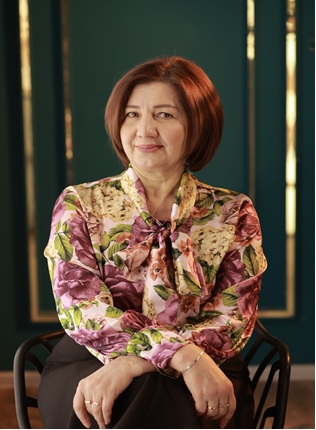
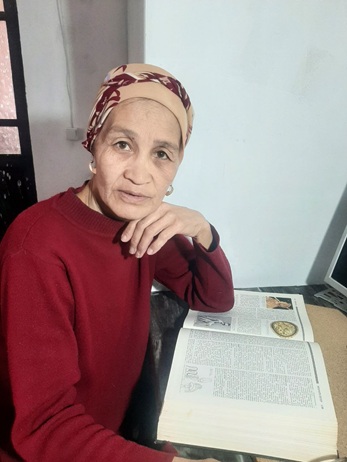
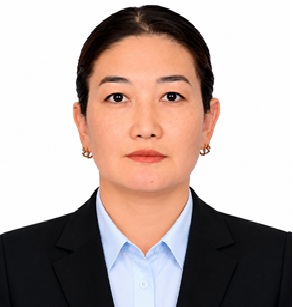
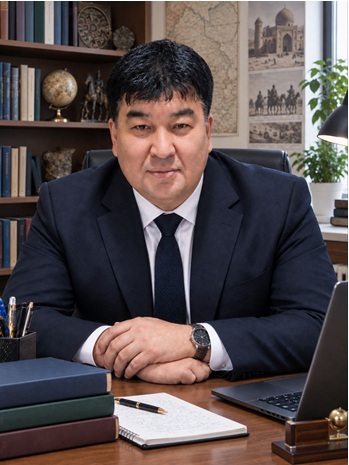
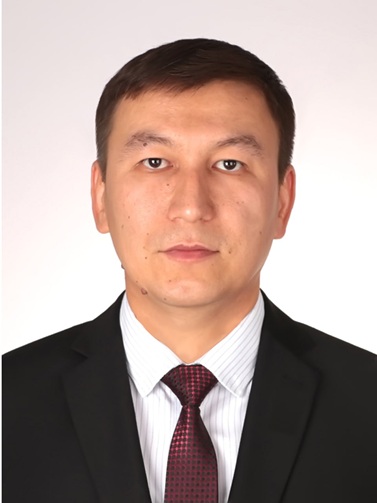
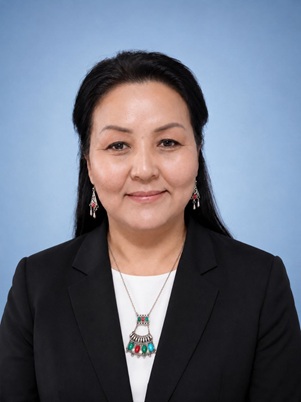
Head of Department: Qurbanova Zemfira Ibragimovna.
Brief information about the department: The Department of Ethnography is one of the oldest scientific departments established in 1959 within the Karakalpak branch of the Academy of Sciences of the Uzbek SSR. Its establishment is closely linked to the establishment of the N. Davqaraev Institute of History, Language, and Literature, which has become an important base for researching the region’s cultural and historical heritage. Initially established as the Department of Archaeology and Ethnography, this research center has become an integral part of the institute from its very inception. This allowed for a consistent study of the ethnographic aspects of the Karakalpak people’s lives, which, in turn, contributed to a deeper understanding of the cultural, social, and historical characteristics of this nation from a scientific perspective.
Since 1969, the ethnography sector has been separated as a separate independent department, which has become an important impetus for expanding the scope of ethnographic research and increasing scientific potential. Since this period, consistent and systematic work has begun on training local scientific personnel. One of the first researchers to successfully defend his candidate dissertation was U. Shalekenov, who conducted research on the topic “The Life and Culture of the Collective Farm Peasants of the Chimbay District” (1953). Later, L.S. Tolstova defended her candidate dissertation on “Karakalpaks of the Fergana Valley” (1955), Kh. Esbergenov (1963), whose research focused on the eradication of religious concepts and customs among the Karakalpaks, A.T. Bekmuratova (1967), who conducted research on “The Family and Household Structure of the Karakalpaks in the Past and the Tasks of Overcoming its Harmful Remnants,” A. Utemisov (1970), who studied the lifestyle and culture of the fishermen of the Southern Aral Sea region from the late 19th century to the 1960s, as well as “People’s Traditions and Their Transformation in the Urban Life of the Karakalpaks: (On the Material of Family Ceremonies of the Inhabitants of the Cities of Nukus, Chimbay, Beruni) ” (1976). T. Atamuratov holds a special place as a researcher who made a significant contribution to the development of ethnography. These scientific studies represent an important stage in the scientific understanding of the processes of cultural transformation and changes in traditional practices, and at the same time, have created an important scientific basis for a deep study of the unique ethnocultural characteristics of the region.
From the beginning of the 1990s, under the influence of the socio-economic and cultural changes that took place in the country, significant activity and scientific development were observed in the field of ethnographic research. This period is characterized not only by political transformations but also by the rise to a new level of scientific research focused on the deep study of the rich cultural heritage, traditions, and ethnocultural characteristics of the peoples of the region.
The establishment of a specialized council for the defense of dissertations has been an important factor in the rapid development of ethnographic research. The activities of this council, along with providing young researchers with the opportunity to successfully complete their research and defend their dissertations, have laid the foundation for the formation of a strong scientific environment in the field and increased scientific interest in the science of ethnography. Over the past decades, 14 specialists have been trained in the field of ethnography, two of whom hold doctoral degrees.
In 2023, the Department of Ethnography organized a republican scientific and practical conference dedicated to the 90th anniversary of the outstanding scientist of Karakalpakstan, Honored Scientist, Candidate of Historical Sciences Kh.Esbergenov. This conference, along with recognizing the scientist’s significant contribution to the development of science, also served as an important scientific platform for discussing pressing issues in ethnography and history. Kh.Esbergenov made a significant contribution to the development of this field through his extensive research dedicated to the study of the history, culture, and ethnocultural characteristics of the Karakalpak people. The scholar’s scientific legacy served as an important source and methodological basis for subsequent research, laying the foundation for the formation of a new generation of researchers in the field of ethnography and history.
The main research area of the department is the comprehensive study of the history, culture, customs, and traditions of the peoples of Karakalpakstan, which form their unique identity. Furthermore, special attention will be paid to the issues of cultural interaction, allowing for the identification of commonalities and differences between different ethnic groups within the region.
Main tasks in the implementation of the scientific direction:
Organize expeditions to gather information about the customs and traditions of the peoples of Karakalpakstan.
Recording oral stories, songs, and traditional ceremonies for the preservation of cultural heritage.
Studying historical documents and materials to understand the stages of development of cultural practices.
Comparing the cultural aspects of different ethnic groups living in Karakalpakstan to identify common patterns and unique characteristics.
Preparation and publication of research results.
Scientific work being carried out in the department: (information on current topics. Topic, purpose, objective, deadline, outcome, etc.):
The department continues active research in key areas of ethnology, which allows for a deeper understanding of the cultural, social, and historical processes occurring in society. Specifically
In 2012-2013, a practical project titled “Women’s Images in Karakalpak Mythology” was developed. Within the framework of this research, important results have been achieved, such as identifying the main mythological images and archetypes, analyzing the dynamics of changes in the status and functions of women’s cult.
In 2014-2015, employees of the department worked on the innovative project “Karakalpak Clothing.” During the work, the main trends in the development of traditional Karakalpak clothing were analyzed, and a detailed description of the materials used and the technologies for its production was provided. Also, the composition of clothing was analyzed and classified according to the material used, the main elements of the clothing complex were identified, and the stages of its development were examined.
In 2017-2019, work was carried out on the practical project “Islam among the Karakalpaks,” which made it possible to determine the role of Islam and its institutions in the social and cultural life of the Karakalpaks.
In 2021-2023, the department’s employees also worked on a fundamental project titled “The Impact of the Aral Sea Ecological Crisis and Globalization on the Traditional Culture of the Karakalpaks.” The study showed how the ecological crisis encompassing the Southern Aral Sea region affected the traditional culture of the Karakalpak ethnos, revealed the consequences of changes in cultural practices during the crisis, and identified the most affected areas of traditional culture.
In 2024, the project “Social Aspects of Cultural Development in Karakalpakstan in the Soviet and Post-Soviet Periods” was developed. In the study, special attention was paid to the social aspects of cultural development, and the impact of social changes on the cultural experiences of the local population was revealed.
Projects being implemented in the department: (Information on the currently implemented project. Topic, purpose, objective, deadline, outcome, etc.).
Starting from 2025, the department is developing the topic “Transformation of Family Rituals of the Peoples of Karakalpakstan in the Context of Globalization: Preservation of Traditions and New Practices” (2025-2030). It is aimed at a deep study of the changes taking place in the family rituals of the peoples of Karakalpakstan in the context of globalization processes. Special attention is paid to the interrelationship between traditional and new practices, which allows us to understand how the peoples of Karakalpakstan are preserving their identity in a rapidly changing world.